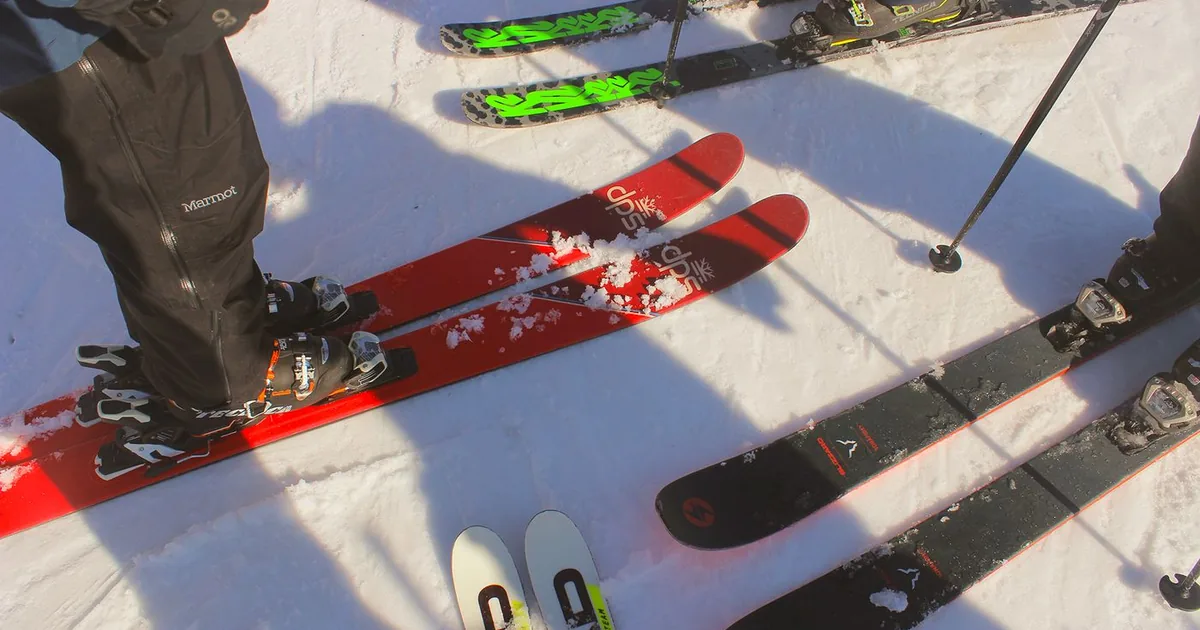
Clothing and equipment for a day on snow
Aspen Snowmass’s packing guide groups base layers, waterproof outerwear, ski socks, gloves and a neck covering together. Use that clothing group as the first pass through your bag.
Its equipment list includes skis and poles or a snowboard, boots, goggles and a helmet.
Set out your own equipment beside your rental confirmation. Mark each item as packed, reserved or still to arrange. If you plan to rent, ask the shop which items your reservation includes. For your clothing, work through one complete outfit before adding spares. Write down any item you need to borrow, replace or try on before departure.
Off-slope clothes and trip essentials
Aspen Snowmass also lists casual clothes, warm winter boots, undergarments and sleepwear for time away from the slopes.
Reservation confirmations, identification and charging cables appear in its miscellaneous packing list.
Make a second, shorter list for the journey and evenings. Put a tick beside the clothes you expect to wear after skiing, then check the reservations you will need on arrival. Keep a note of where you saved those confirmations. Before adding another outfit, ask whether it has a specific place in your trip. This is also a useful point to check each charger against the device it belongs to.
Check children’s gear before packing
Columbia’s pre-trip guide recommends checking the fit of clothing and boots, particularly for growing children.
For a family trip, make a separate list for each child. Try the intended outfit before putting it in the bag and note anything that needs a size check. Use the child’s name as the label on your checklist. Decide which spares to bring after that fitting check, so the spare pair is one you have actually considered for this trip. On departure day, have each person point out their own gloves, goggles and neck covering.
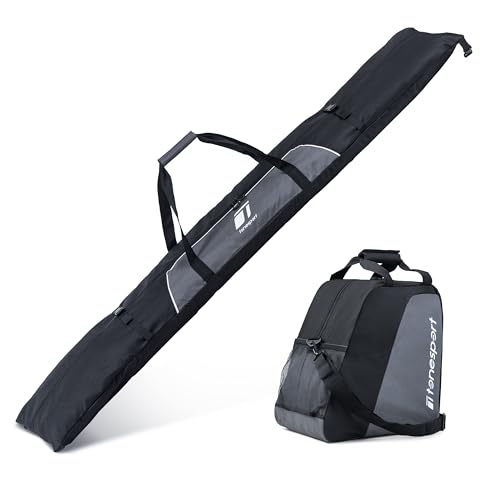
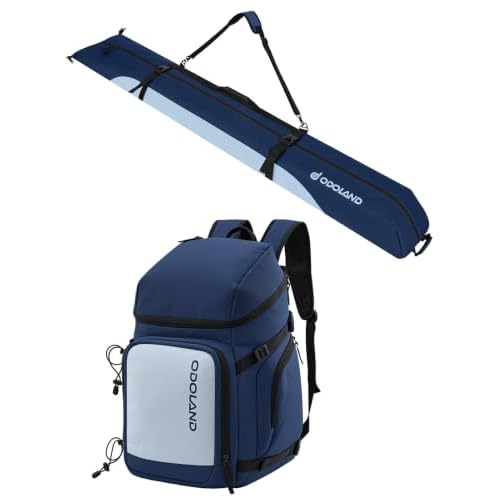
Compare padded and rolling ski bags after checking the airline rules for your itinerary.
Choose your bags around the equipment you bring
Columbia recommends padded luggage with wheels when flying with ski or snowboard equipment.
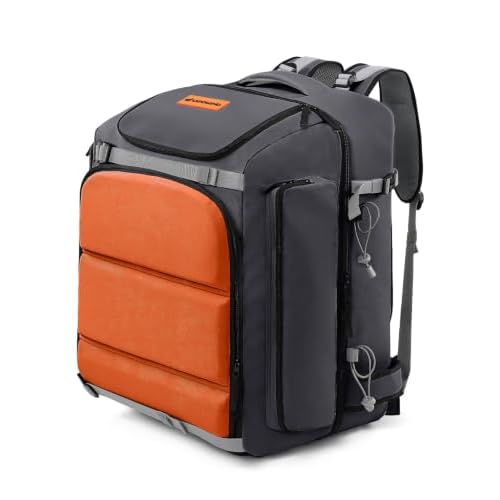
Before choosing a bag, lay out the equipment you intend to take and list what you want in each piece of luggage. Record the ski length, the bag’s usable dimensions and its empty weight when those specifications are available. For an existing bag, do a trial pack. For a new one, take those measurements into the comparison. Add a separate task to your list to read the baggage rules for the airline and ticket you booked.
Decide what stays with you when flying
Columbia suggests taking boots, a helmet, gloves and goggles as carry-on items.
Treat that as a packing option to check against your flight’s cabin-baggage limits. Decide what you would most want with you on arrival, then test that arrangement in the cabin bag you intend to use. Write down which item goes in which bag. If the plan does not fit, revise it before departure. Keep the comparison between your preferred arrangement and the carrier’s actual rules visible on the same checklist.
Leave space for damp gear on the return trip
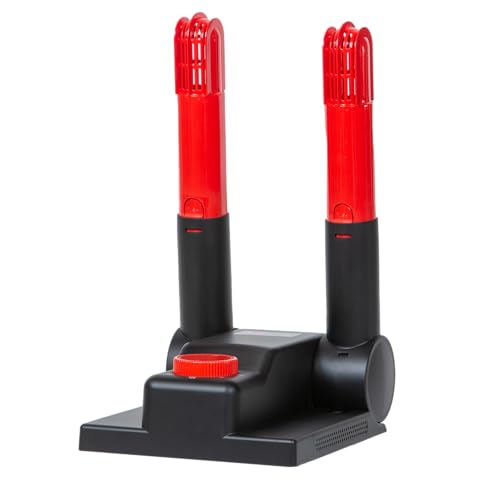
Columbia recommends bringing goggles, boots and gloves indoors to dry after skiing.
Give the return journey a line on your packing list as well. Decide where you will put gear after the last ski day and where you will check it before repacking. If you are driving, plan the arrangement of your bags for the journey home. Before closing everything up, repeat your person-by-person equipment check. After the trip, keep a short note of what you missed and what you carried without using. Use that note when preparing your next checklist.
Original selection guidance based on the linked references and product specifications. Product mentions are research comparisons, not hands-on test results.